Being Chased in a Dream: What Is Your Pursuer Telling You?
Legs like lead, breath short, footsteps behind you and never time to see the face: the chase is the most widespread nightmare on earth, the one almost every sleeper has fled at least once. Yet the dream almost never speaks of real danger: it stages what you skirt around while awake — a postponed conversation, a locked-up anger, a truth pushed back to later. This guide crosses the symbolism of the night hunt, its psychological and spiritual readings, then details the most frequent scenarios — the stranger with the blurred face, the animal, the hunt by someone close, the outcome of the race — to help you name what, in your life, refuses to stay behind you.
Symbolism and Culture
Greek mythology left the chase its most dizzying tale: Actaeon, having surprised Artemis at her bath, is changed into a stag and torn apart by his own hounds — the hunter becomes the game, and what you hunt hunts you back. European folklore knows the Wild Hunt, that ghostly pack crossing the sky on storm nights: crossing its path was deadly, but popular wisdom advised throwing yourself flat on the ground rather than running — flight draws the pack, stillness lets it pass. The stag hunts of castles made the fox the archetype of the pursued: without strength or fangs, it survives only by knowing the ground, its holes, its folds, its hedges. And the Bible tells of David hunted for years by Saul: cornered in a cave, he holds his king at his mercy and chooses to cut a corner of his cloak rather than his life — the pursued refuses to turn into a hunter in his turn. Four stories, one lesson: in the chase, the question is not speed, it is your relation to what tracks you.
Psychological Interpretation
Depth psychology sees in the pursuer a figure of the refused: what consciousness will not admit comes back, and it runs. Jung called it the shadow — the denied part that grows more real the longer you flee it — and proposed a simple gesture in active imagination: turn round, and ask the tracker what it wants; the dialogue almost always transforms the scene. Freud read a return of the repressed: the debt, the guilt or the banished desire resume their race where you left them. Contemporary research completes the picture: the chase ranks among the most frequent nightmares, and threat simulation theory sees an evolutionary inheritance there — the dream rehearses escape to automate it, a nightly training of the amygdala. One clinical fact is precious: during paradoxical sleep, motor commands are inhibited, hence those legs that will not answer — the body dreams the flight without being able to play it. The concrete lead lies elsewhere: identify the situation you keep postponing while awake, the one already chasing you. The dream does not create the tracker; it puts it on your heels in full daylight.
Spiritual Dimension
Spiritual traditions read the hunt as a call to convert flight. The Bible turns it into a psalm — 'dogs surround me, a company of evildoers encircles me' — and David, hunted, transforms persecution into prayer: being tracked becomes a way of being held by God. The Gospel keeps the flight into Egypt: warned in a dream, the holy family escapes Herod, and flight there is obedience, not cowardice — sometimes fleeing is the shape fidelity takes. Buddhism opposes the same scenario with an inverted gesture: on the night of awakening, Mara assails the Buddha with his armies; the meditator neither flees nor fights, he touches the earth with his hand, and the assault dissolves. Islam pushes the conversion to paradox: 'flee towards God', the Qur'an commands — the only legitimate flight is the one running towards what it was fleeing. A dream of being chased can thus open very concrete spiritual work: stop fleeing in order to turn around, name what tracks you, and ask it what it came to say. What pursues you, these traditions say, is not your enemy: it is your missed appointment.
Dream Situations
- Chased by a stranger with a blurred face: an objectless anxiety that cannot yet be named.
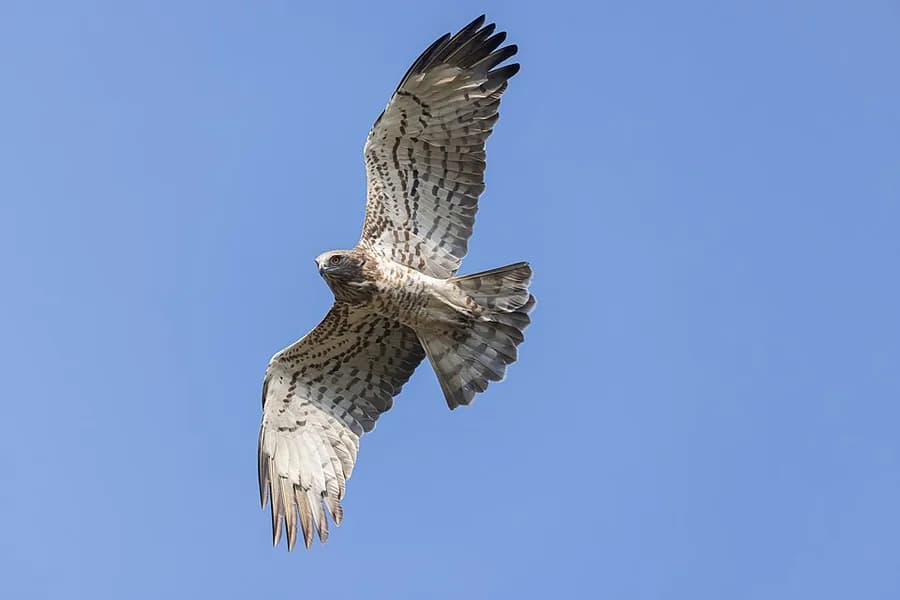
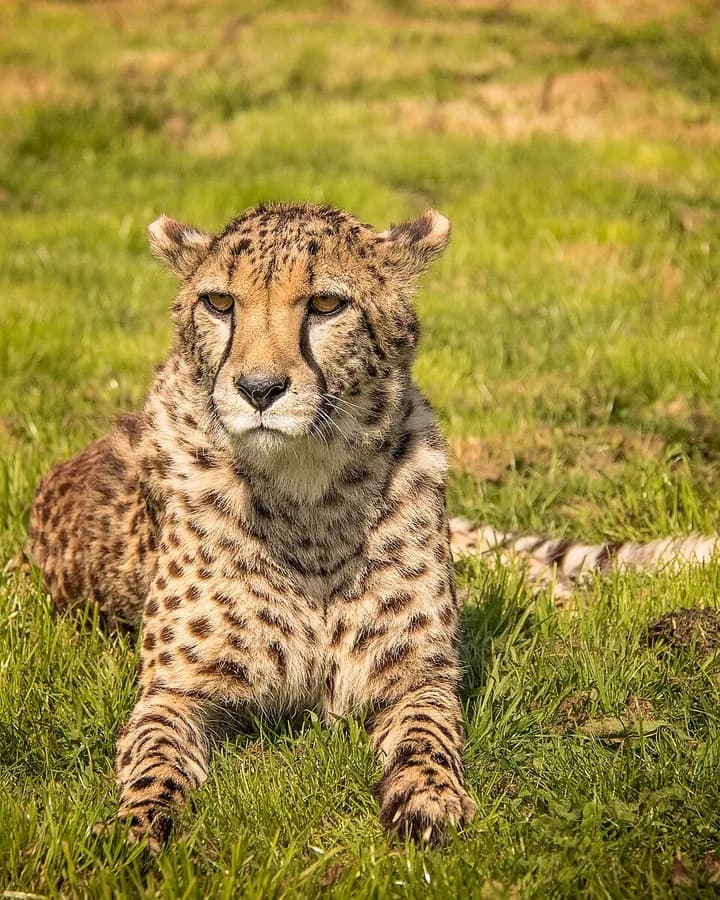
- Tracked by an animal: a repressed instinct — anger, desire, grief — claiming its share of life.
- Chased by someone you know: a real pending conflict you would rather avoid than confront.
- Hunted by an ex: an emotional debt or a pain that has not finished moving on.
- Hiding without being found: a skilful avoidance that delays the deadline without ever cancelling it.
- Being caught at the end of the race: the end of avoidance — what you fled is standing firm, waiting.
- Turning around and facing the pursuer: the first step of deliverance — it often changes shape.
- Fleeing with anaesthetised legs: a learned helplessness asking to be woken up during the day.
Frequently Asked Questions
Who is really chasing me in this dream?
Is being caught worse than escaping?
Should I turn around and face my pursuer?
Why do these dreams return so often?
Questions and Answers
Who is the pursuer in my dream, really?
Rarely a literal person. A blurred face stands for objectless anxiety, an animal for a repressed instinct, a known person for a pending quarrel. To name it, do not ask who it is but what you have been avoiding for weeks: the two almost always overlap.
My pursuer finally catches me: bad sign?
Often the opposite. Contact ends the fear loop: caught, the tracker often starts to speak, to shrink or to change shape. Being caught means avoidance has reached its limit — the thing pushed away for so long finally asks to be dealt with.
Why can I neither scream nor run fast?
Paradoxical sleep inhibits motor commands: the body is literally paralysed while the dream runs. The interpretation echoes it: mute legs and a cut-off voice figure learned helplessness, that of someone who has avoided for so long they no longer know how else to act.
How can I stop these recurring dreams?
Two proven levers: name the postponed situation while awake — letter, conversation, decision to make — and rehearse before sleep the scenario in which you turn around. That mental rehearsal, used in nightmare therapy, eventually enters the dream and transforms the scene.
It is an animal that tracks me: is that different?
The animal embodies what in you has no words: aggressiveness, desire, grief, hunger for life. The species refines the message — but the rule stays the same: no one is freed from a beast by running; you are freed by looking at it.